

Precision: The Core of Pharmaceutical Production
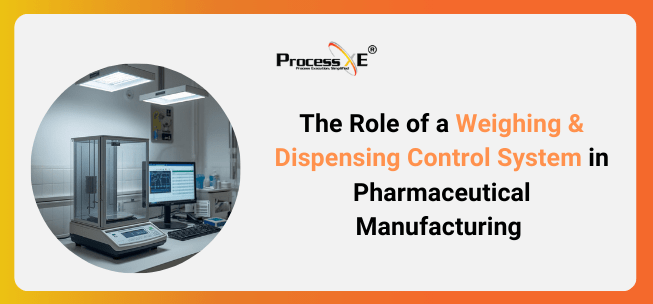
Pharmaceutical manufacturing revolves around control — of materials, processes, and data. Every raw material weighed and dispensed must align with predefined specifications to guarantee product quality and patient safety. A weighing & dispensing control system in pharmaceutical manufacturing ensures this precision through automation, integration, and real-time validation.
In essence, such a system acts as the digital backbone for material management, bridging the gap between raw material handling and final batch processing.
Why Control Systems Are Critical in Pharma Operations
Unlike general manufacturing sectors, pharmaceuticals demand an exacting level of accuracy. Even a minor variation in material quantity can lead to deviations, rejections, or compliance violations. Manual processes often expose manufacturers to risks such as:
Data entry errors and illegible records
Material mix-ups or incorrect identification
Non-standardised weighing practices
Incomplete or delayed batch documentation
A weighing & dispensing control system mitigates these risks by replacing manual dependency with a digitally controlled, rule-based environment that enforces precision and traceability at every step.
How a Weighing & Dispensing Control System Works
The system integrates advanced hardware and software components to create a unified, automated material management process. Its workflow typically includes:
Material Verification – The system validates material identity using barcode, RFID, or QR code scanning before weighing begins.
Recipe-Driven Instructions – Each weighing step is guided by pre-approved digital recipes, eliminating operator discretion.
Tolerant Limits and Auto-Checks – The balance interfaces directly with the control software to ensure each measurement is within specified limits.
Automatic Data Capture – Every weight, operator action, and timestamp is automatically recorded and stored.
Electronic Approval and Batch Linkage – Once weighing is complete, records are electronically reviewed and linked to the corresponding batch for full traceability.
This level of automation ensures that no unauthorised material movement or undocumented change occurs during production.
Integration with GMP and Regulatory Frameworks
The weighing & dispensing control system in pharmaceutical manufacturing is designed in alignment with Good Manufacturing Practices (GMP) and data integrity principles outlined by 21 CFR Part 11 and EU Annex 11.
Key compliance features include:
User authentication and role-based access control
Secure electronic signatures and approvals
Time-stamped audit trails for every transaction
Validation-ready architecture for regulatory inspections
By meeting these compliance parameters, the system ensures that all weighing data remains accurate, complete, and audit-ready.
Benefits Beyond the Balance
While precision is the immediate outcome, the long-term benefits extend across the production landscape:
Reduced Batch Review Time: Digital traceability enables faster quality verification and release.
Optimised Resource Utilisation: Prevents rework and reduces material wastage.
Enhanced Operator Accountability: Every action is traceable to an authorised user.
Seamless System Connectivity: Integration with ERP, MES, and LIMS platforms supports complete process visibility.
Ultimately, these efficiencies lead to a more agile, compliant, and data-driven manufacturing ecosystem.
A weighing & dispensing control system in pharmaceutical manufacturing is not just about automating measurements—it’s about establishing total process control. By ensuring every gram is accurate, every transaction is traceable, and every record is compliant, it reinforces the very foundation of quality manufacturing.
As the industry continues to evolve towards digital maturity, such systems are becoming indispensable for those who view compliance, efficiency, and precision as interdependent pillars of success.